

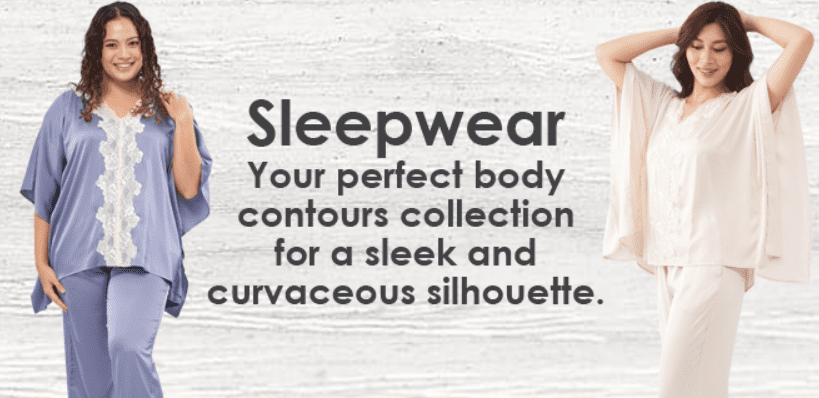
Most people walk into their evenings on autopilot. They crash, scroll, wipe off the day, and call it “rest.” But the body is smarter than that. It waits. It pays attention. It notices what you drape over it—whether it’s an old T-shirt from college that causes irritation or fabric intentionally chosen to help it finally breathe. What touches your skin after sunset isn’t trivial; it’s the quiet architecture of how you reset. And if you’re going to take rest seriously—whether as an individual or a retailer shaping the future of homewear—then you need to stop treating comfort like decoration and start treating it like strategy.
1. Fabric Matters: Breathable Textiles Like Modal and Silk Change Everything
Cheap fabric that does not align intended use and quality is a false economy. It looks fine until you actually live in it—until the heat traps, the itch starts, or the sweat sits uncomfortably on your skin. That’s why, for quality pajamas, modal and silk matter. These aren’t just “nice” materials. They’re responsive, almost intuitive—textiles that collaborate with the body instead of fighting it.
Where breathable materials actually change your night:
- Moisture regulation: Modal wicks sweat quietly and consistently.
- Skin sensitivity: Silk glides without friction—vital if your skin reacts to practically everything.
- Temperature balance: Both fabrics adjust, so you’re not peeling layers on and off at 2 a.m.
For conscious individuals, pajamas made with defined intent helps engineer an outcome: comfort that lasts, materials with purpose, and this is the difference between waking up already stressed and waking up at peace.
2. Sleep Hygiene: How Dedicated Pajamas Become a Biological “Off Switch”
The brain is a creature of pattern, not promises. You can intend to rest, but your body listens to what you do. One of the simplest, most underrated cues? Changing into sleepwear made specifically for rest.
This is not placebo. It’s behavioral conditioning—gentle, daily, and incredibly effective.
- Micro-signals that tell your system “it’s okay to slow down now”:
- A distinct outfit marks the boundary between doing and being.
- Predictable steps calm the nervous system far better than late-night scrolling.
- Repetition trains the brain to transition faster and more peacefully.
Individuals gain a ritual that does the heavy lifting without overthinking it.
Businesses gain a chance to design more than clothing—they design a cue, a practice, a small moment that rewires the way someone ends their day. That’s not fashion. That’s neuroscience applied with elegance.
3. Versatile Style: Loungewear That Works for Real Life, Not a Catalog
Let’s be real: life doesn’t fit into tidy categories. You move from emails to boiling water to answering the door in one breath. That’s why today’s loungewear can’t be costume-like or fragile. It has to work—on camera, on the couch, and on the days where your to-do list eats your evening alive.
Functionally versatile sleep-loungewear makes sense only when it supports your actual life:
- Clean, tailored lines that can survive a surprise video call
- Neutral tones that don’t scream “I’m in pajamas—help”
- Fabric that keeps its structure but never sacrifices softness
For individuals, this is sanity. One outfit that adapts instead of demanding effort.
For brands, versatility is no longer a marketing buzzword—it’s proof you’re designing for reality, not showroom fantasy.
4. Self-Care Rituals: Letting Quality Sleepwear Support Your Evening Routine
Every person’s wind-down ritual is different. Some read. Some journal. Some decompress in the shower until the steam writes their thoughts for them. But quality sleepwear? It threads through all those rituals without needing a spotlight.
Here’s the quiet magic it brings:
- Soft textiles release micro-tension (yes, your shoulders notice).
- Comfort naturally deepens breathing—no mindfulness app required.
- Premium pieces shift the night from “end of chaos” to “intentional reset.”
For individuals, this transforms the evening from survival to restoration.
For brands, it’s a call to design for nervous systems, not just wardrobes. People don’t need more clothing. They need clothing that participates in their calm.
In essence, night rest is strategic and sensory. The type of pajama you choose adds up to your crucial evening rituals that quietly shape your bedtime lifestyle—from how romantic your partner feels you and how upbeat and clear your mornings feel, to how gracefully you wind down at night without forcing yourself into rest. Hence, choosing a pajama store with a collection dedicated to a fulfilling pajama lifestyle is crucial for your wardrobe collection; from sensual and confidence-boosting pieces, to breathable weather-ready sets.